Popular Camo Patterns
Camo has come a long way from its purely tactical roots, it’s not just for the military or hunting anymore. What started as a way to blend into natural environments has evolved into a full-on design language, showing up in outdoor gear, streetwear, and everyday style. Whether you’re in it for performance, aesthetics, or both, understanding the different types of camouflage helps you choose what actually fits your environment and your look. I’m sure if you’re one of those people who pay attention to what other people are wearing you’ve noticed the increase of Realtree camo pattern with the younger generations, specifically Gen Z and Millennials. Realtree camo has definitely been having a huge moment over the last few years.
Here's a breakdown of some of the most popular camo patterns and what makes each one unique.
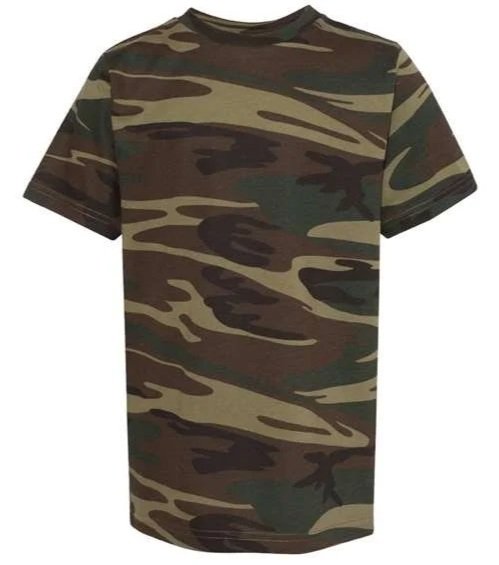
Classic Woodland Camo
When most people think of camouflage, woodland camo is usually the first pattern that comes to mind. Originally adopted by the U.S. military in the 1980s, it combines greens, browns, black, and tan in large, irregular shapes that mimic forests, dense vegetation, and shadowed terrain. The oversized organic pattern helps break up the human silhouette in wooded environments, making it highly effective outdoors.
Outside of the military, woodland camouflage has become one of the most recognizable patterns in fashion. It's commonly seen on jackets, hoodies, hats, backpacks, and custom apparel because it offers a rugged, timeless look that pairs well with neutral colors. Whether you're creating branded merchandise for an outdoor company or simply like the classic military aesthetic, woodland camo remains one of the most versatile camouflage patterns available.
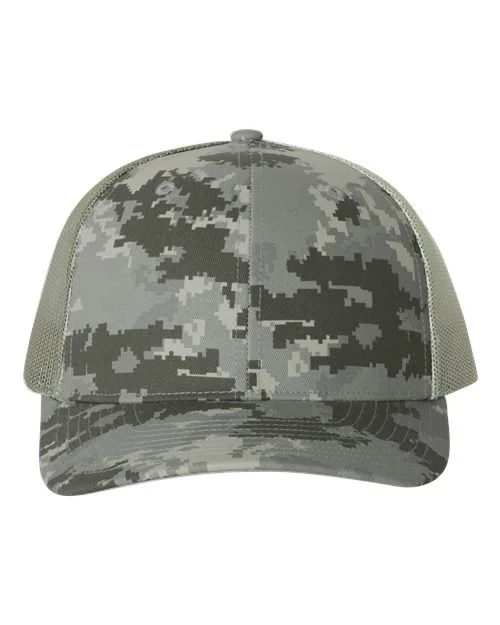
Digital Camo
Digital camo, sometimes called pixel camouflage, replaces the soft organic shapes of traditional camo with tiny square pixels. This pattern was developed to better disrupt the human outline at varying distances and under modern optics. Instead of blending into just one type of terrain, the pixelated design helps confuse the eye by creating visual "noise."
You'll find several versions of digital camouflage, including woodland, desert, and urban variations. Beyond military applications, digital camo has become popular for athletic apparel, tactical gear, and promotional clothing thanks to its modern, technical appearance. If you're looking for a camouflage pattern that feels clean, contemporary, and performance-driven, digital camo is an excellent choice.
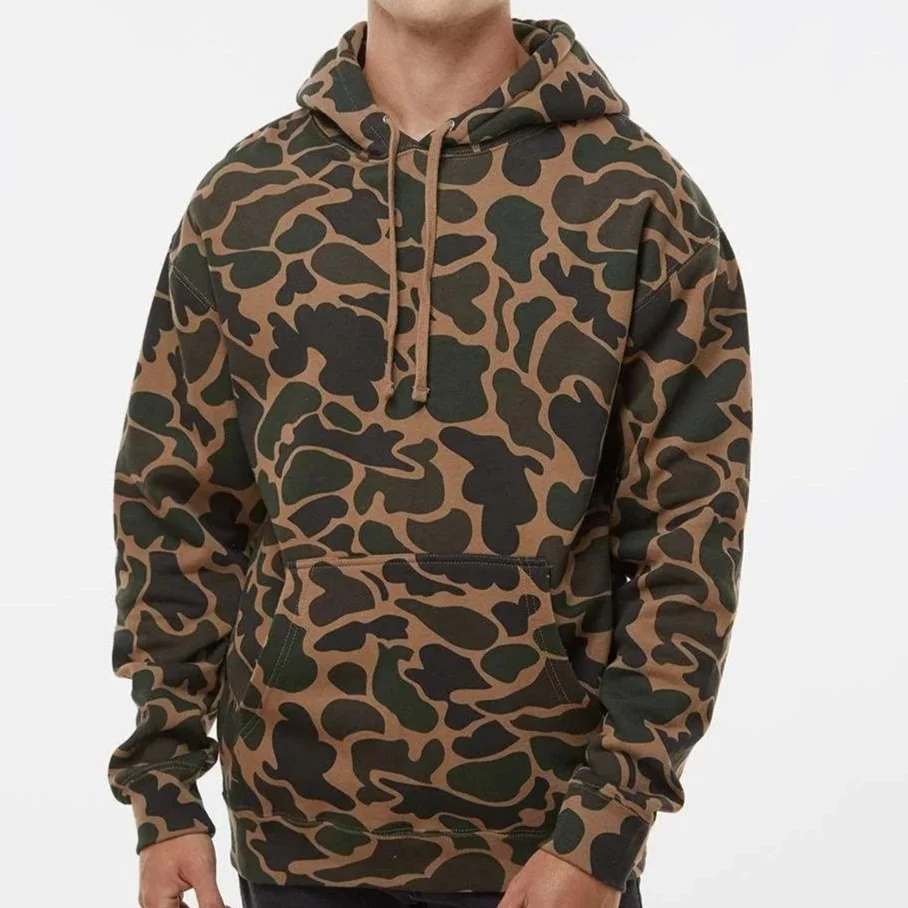
duck Camo
Duck camo has been a favorite among waterfowl hunters for decades. Unlike traditional woodland patterns, duck camouflage features larger, softer blotches that imitate reeds, marsh grasses, timber, and wetlands. The design focuses less on perfectly matching colors and more on breaking up the wearer's shape, helping hunters remain concealed from birds that have exceptional color vision and movement detection.
Today, duck camo has expanded well beyond hunting. Vintage duck camouflage has become increasingly popular in streetwear, workwear, and casual apparel, giving it a nostalgic outdoors-inspired feel. It's an excellent option for brands that want a heritage look while still embracing today's growing appreciation for classic
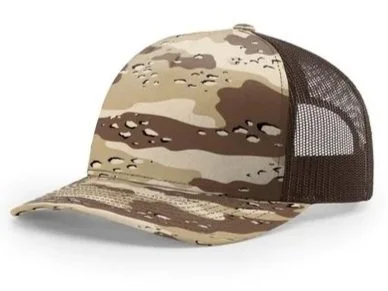
Desert Camo
Designed for dry climates, desert camouflage swaps deep greens for lighter shades of tan, beige, sand, and light brown. Since deserts generally have fewer shadows and less vegetation, the patterns are often more open and less visually dense than woodland camo.
From a style perspective, desert camo offers a softer, more understated look than darker camouflage patterns. The neutral color palette makes it surprisingly easy to pair with everyday clothing, especially earth tones and denim. Whether used on custom hats, jackets, or branded apparel, desert camouflage delivers military-inspired style without feeling overly bold.
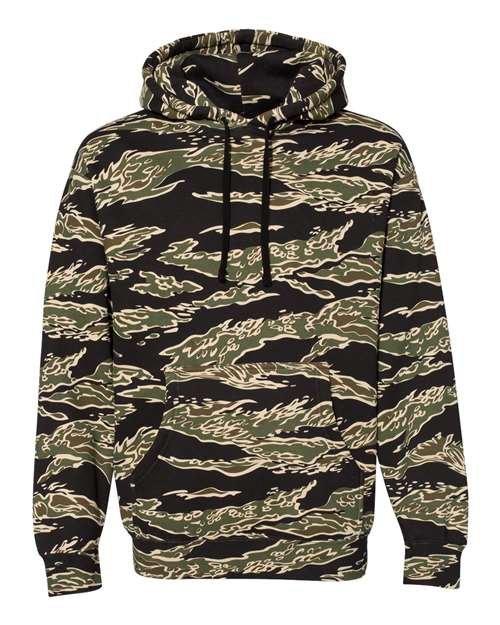
Tiger Stripe Camo
Tiger stripe camo is one of the most distinctive camouflage patterns ever created. Originally developed for jungle warfare during the Vietnam War, it features narrow, flowing stripes layered across green, black, and brown backgrounds. The horizontal streaks mimic dense vegetation and shadows while creating the illusion of movement.
Today, tiger stripe has become a favorite among military enthusiasts, outdoor brands, and fashion designers alike. Its bold appearance makes it stand out more than many traditional camouflage patterns, making it ideal for brands or individuals looking for apparel that has a little more personality while still maintaining its tactical roots.
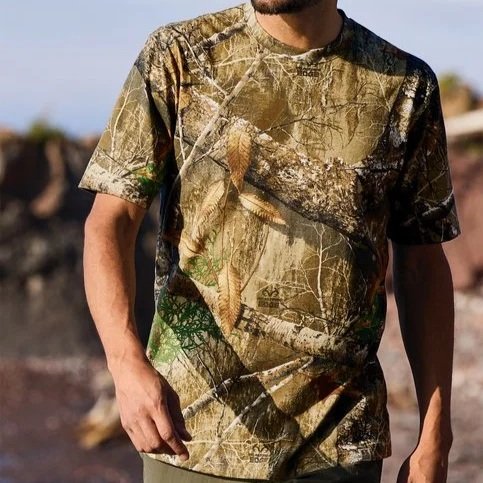
Realtree Camo
Unlike traditional camouflage patterns that rely on abstract shapes, Realtree camo uses high-resolution photographs of actual trees, branches, leaves, bark, and sky to create an incredibly realistic appearance. Each Realtree pattern is engineered for specific environments, seasons, and hunting conditions, allowing hunters to blend naturally into forests, fields, or wetlands.
In recent years, Realtree camouflage has exploded in popularity outside of hunting. Thanks to the rise of outdoor-inspired fashion, vintage aesthetics, and Gen Z streetwear trends, Realtree hats, hoodies, and jackets have become everyday fashion pieces. The realistic imagery gives the pattern a unique look that stands apart from traditional military camouflage while still maintaining its rugged outdoor appeal.
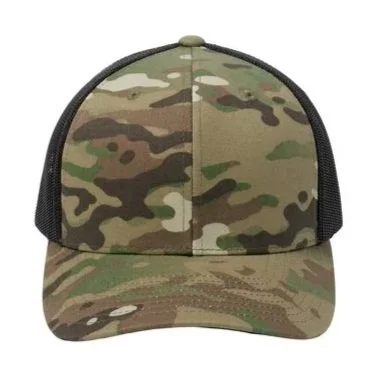
MultiCam
MultiCam was developed to perform across a wide variety of environments rather than excelling in just one. Instead of relying on high-contrast shapes, it uses layered gradients of greens, tans, browns, and muted earth tones to adapt to changing terrain, lighting conditions, and seasons. That versatility has made it one of the most widely adopted camouflage patterns among military and law enforcement professionals around the world.
For everyday apparel, MultiCam offers a balanced look that isn't as bold as woodland or tiger stripe but still carries a tactical aesthetic. It's a great choice for custom embroidered hats, uniforms, branded apparel, and outdoor merchandise because it works well with both embroidered logos and patches while remaining visually
So, Which Camo Works Best?
It depends on what you're going for.
For function: Match the camouflage to the terrain. Woodland works best for forests, desert camo for dry climates, snow camo for winter conditions, and Realtree for highly specific hunting environments.
For style: Woodland and tiger stripe make bold fashion statements, while desert camo and MultiCam offer a more subtle everyday look. Realtree has become one of today's trendiest camouflage patterns, especially in casual streetwear.
For versatility: MultiCam and toned-down digital camo strike a nice balance between performance and everyday wear, making them excellent choices for branded merchandise and custom apparel.
Camo isn't just about disappearing anymore, it's about choosing how you show up. The right pattern can either blend seamlessly into your surroundings or stand out in all the right ways.
One thing to keep in mind when designing custom camo apparel is how your logo will interact with the busy background. Small logos with a lot of open space can easily get lost against detailed camouflage patterns. That's why our team often recommends embroidered patches, woven patches, leather patches, or larger, high-contrast logo treatments instead of small direct prints. These options create better visibility while complementing the rugged look of camo hats, jackets, hoodies, and other promotional apparel. If you're unsure which decoration method will work best, we're always happy to help you choose the right combination for your brand. Interested in some camo swag?